Buy 1905.eu ?
We are moving the project
1905.eu .
Are you interested in purchasing the domain
1905.eu ?
domain@kv-gmbh.de · 0541-91531010
Buy 1905.eu ?
Is it harmful for the brakes to always brake with the clutch engaged?
Braking with the clutch engaged can cause unnecessary wear and tear on the clutch, as well as the brakes. This is because the clutch is designed to disengage the engine from the transmission, not to be used as a brake. Additionally, constantly engaging the clutch while braking can lead to overheating and premature wear of the brake components. It is best to use the brakes as intended and only engage the clutch when shifting gears or coming to a complete stop. **
What is better: V-Brakes or disc brakes (V-Brakes block brakes)?
Disc brakes are generally considered better than V-Brakes for several reasons. Disc brakes provide better stopping power and modulation, especially in wet or muddy conditions. They also require less maintenance and are less affected by rim wear. Additionally, disc brakes are more consistent and reliable, making them the preferred choice for most cyclists, especially those who ride in challenging terrain or weather conditions. **
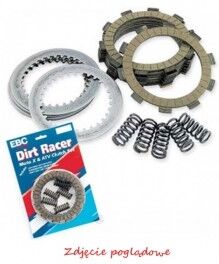

Similar search terms for EBC-Brakes-DRC177-Clutch
Top-Angebote
Products related to EBC-Brakes-DRC177-Clutch:


-
Which brakes are better: drum brakes or disc brakes?
Disc brakes are generally considered to be better than drum brakes. They provide better stopping power, are more responsive, and perform better in wet conditions. Additionally, disc brakes are easier to maintain and are less prone to overheating. Overall, disc brakes offer superior performance and safety compared to drum brakes. **
-
Why are brakes actually called brakes?
Brakes are actually called brakes because they are designed to slow down or stop the motion of a vehicle. The term "brake" comes from the Middle English word "brak," which means "an instrument for crushing or pounding." This term was later applied to the mechanism used to slow down or stop a vehicle, and it has been used to refer to vehicle braking systems ever since. So, the name "brakes" reflects the primary function of the mechanism, which is to bring a vehicle to a halt or reduce its speed. **
-
Why does the clutch still work in vintage cars?
The clutch in vintage cars still works because it is a mechanical system that does not rely on electronic or computerized components. Vintage cars typically have a simpler design with manual transmission systems that use a clutch to engage and disengage the engine from the transmission. This mechanical design allows the clutch to continue functioning as long as the components are properly maintained and in good condition. Additionally, the simplicity of the clutch system in vintage cars makes it easier to repair and maintain compared to modern, electronically controlled systems. **
-
Can disc brakes be replaced by rim brakes?
Yes, disc brakes can be replaced by rim brakes on a bicycle, but it may require some adjustments and potentially new components. The mounting points for disc brakes are different from rim brakes, so the frame and fork may need to be compatible with rim brakes. Additionally, the wheels will need to be compatible with rim brakes, as they require a different braking surface. It is recommended to consult with a professional bike mechanic before making the switch to ensure compatibility and proper installation. **
Should I choose disc brakes or rim brakes?
The choice between disc brakes and rim brakes depends on your specific needs and preferences. Disc brakes generally offer better stopping power and performance in wet conditions, making them a good choice for mountain biking or riding in variable weather. Rim brakes are lighter and easier to maintain, making them a good option for road biking or riding in dry conditions. Consider your riding style, the terrain you'll be riding on, and your maintenance preferences when making your decision. **
Should one choose disc brakes or V-brakes?
The choice between disc brakes and V-brakes depends on the specific needs and preferences of the rider. Disc brakes generally offer better stopping power and performance in wet or muddy conditions, making them a good choice for mountain biking or riding in variable weather. On the other hand, V-brakes are lighter, simpler, and easier to maintain, making them a good choice for road or commuter bikes. Ultimately, the decision should be based on the type of riding you do and your personal preferences for performance, maintenance, and weight. **
Top-Angebote
Products related to EBC-Brakes-DRC177-Clutch:
-
Is it harmful for the brakes to always brake with the clutch engaged?
Braking with the clutch engaged can cause unnecessary wear and tear on the clutch, as well as the brakes. This is because the clutch is designed to disengage the engine from the transmission, not to be used as a brake. Additionally, constantly engaging the clutch while braking can lead to overheating and premature wear of the brake components. It is best to use the brakes as intended and only engage the clutch when shifting gears or coming to a complete stop. **
-
What is better: V-Brakes or disc brakes (V-Brakes block brakes)?
Disc brakes are generally considered better than V-Brakes for several reasons. Disc brakes provide better stopping power and modulation, especially in wet or muddy conditions. They also require less maintenance and are less affected by rim wear. Additionally, disc brakes are more consistent and reliable, making them the preferred choice for most cyclists, especially those who ride in challenging terrain or weather conditions. **
-
Which brakes are better: drum brakes or disc brakes?
Disc brakes are generally considered to be better than drum brakes. They provide better stopping power, are more responsive, and perform better in wet conditions. Additionally, disc brakes are easier to maintain and are less prone to overheating. Overall, disc brakes offer superior performance and safety compared to drum brakes. **
-
Why are brakes actually called brakes?
Brakes are actually called brakes because they are designed to slow down or stop the motion of a vehicle. The term "brake" comes from the Middle English word "brak," which means "an instrument for crushing or pounding." This term was later applied to the mechanism used to slow down or stop a vehicle, and it has been used to refer to vehicle braking systems ever since. So, the name "brakes" reflects the primary function of the mechanism, which is to bring a vehicle to a halt or reduce its speed. **
Similar search terms for EBC-Brakes-DRC177-Clutch
-
Why does the clutch still work in vintage cars?
The clutch in vintage cars still works because it is a mechanical system that does not rely on electronic or computerized components. Vintage cars typically have a simpler design with manual transmission systems that use a clutch to engage and disengage the engine from the transmission. This mechanical design allows the clutch to continue functioning as long as the components are properly maintained and in good condition. Additionally, the simplicity of the clutch system in vintage cars makes it easier to repair and maintain compared to modern, electronically controlled systems. **
-
Can disc brakes be replaced by rim brakes?
Yes, disc brakes can be replaced by rim brakes on a bicycle, but it may require some adjustments and potentially new components. The mounting points for disc brakes are different from rim brakes, so the frame and fork may need to be compatible with rim brakes. Additionally, the wheels will need to be compatible with rim brakes, as they require a different braking surface. It is recommended to consult with a professional bike mechanic before making the switch to ensure compatibility and proper installation. **
-
Should I choose disc brakes or rim brakes?
The choice between disc brakes and rim brakes depends on your specific needs and preferences. Disc brakes generally offer better stopping power and performance in wet conditions, making them a good choice for mountain biking or riding in variable weather. Rim brakes are lighter and easier to maintain, making them a good option for road biking or riding in dry conditions. Consider your riding style, the terrain you'll be riding on, and your maintenance preferences when making your decision. **
-
Should one choose disc brakes or V-brakes?
The choice between disc brakes and V-brakes depends on the specific needs and preferences of the rider. Disc brakes generally offer better stopping power and performance in wet or muddy conditions, making them a good choice for mountain biking or riding in variable weather. On the other hand, V-brakes are lighter, simpler, and easier to maintain, making them a good choice for road or commuter bikes. Ultimately, the decision should be based on the type of riding you do and your personal preferences for performance, maintenance, and weight. **
* All prices are inclusive of VAT and, if applicable, plus shipping costs. The offer information is based on the details provided by the respective shop and is updated through automated processes. Real-time updates do not occur, so deviations can occur in individual cases. ** Note: Parts of this content were created by AI.