Buy 1905.eu ?
We are moving the project
1905.eu .
Are you interested in purchasing the domain
1905.eu ?
domain@kv-gmbh.de · 0541-91531010
Buy 1905.eu ?
How do I write a historical-critical method?
To write a historical-critical method, you should begin by conducting thorough research on the historical context of the subject matter. This involves examining primary sources, such as historical documents and artifacts, to understand the time period and cultural background. Next, analyze the text or topic in question, considering its historical context and the author's intentions. It's important to critically evaluate the text, taking into account any biases or limitations of the historical sources. Finally, present your findings and interpretations in a clear and well-supported manner, drawing on both historical evidence and critical analysis to support your arguments. **
What is the difference between the historical-critical method and historical-critical exegesis?
The historical-critical method is a broad approach to studying and interpreting religious texts, which involves analyzing the historical and cultural context in which the text was written, as well as examining the language, literary style, and authorship of the text. Historical-critical exegesis, on the other hand, is a specific application of the historical-critical method to the interpretation of biblical texts. It focuses on understanding the original meaning of the biblical texts by considering their historical and cultural context, as well as the intentions of the original authors. In essence, historical-critical exegesis is a more focused and specific application of the broader historical-critical method to the interpretation of religious texts. **

Similar search terms for Method
Top-Angebote
Products related to Method:
-
Classic Method Brut Gruner Veltliner 'Amethyst' Schloss MaissauThe Brut Grüner Veltliner 'Ametyst' sparkling wine from the Austrian estate Schloss Maissau is a young and fragrant Classic Method wine, which mainly aims to highlight the fruity characteristics and the pleasant expressive immediacy of the most cultivated grape variety in the country. Thanks to careful vineyard management and rigorous and precise winemaking, Grüner Veltliner demonstrates remarkable oenological versatility and also excellent sparkling characteristics. It captivates with its citrusy sip, its floral notes, and white-fleshed fruit, crossed by a clear mineral freshness.The ‘Ametyst’ Classic Method Brut Grüner Veltliner is an excellence of the Schloss Maissau winery, located near the castle of Maissau in Manhartsberg, in one of the areas with the oldest traditions of Austrian viticulture, which already in the 12th century produced wine with the native grape variety Grüner Veltliner. The estate extends over 7 hectares, all managed according to the principles of organic farming, certified since 2017. The vineyards are about 50 years old and are cultivated at an altitude of 350 meters above sea level, with an east-facing exposure. The soils are composed of sandstones and sandy loess, rich in mineral elements. The climate is particularly cool with good temperature variations. After the gentle pressing of the grapes, the must ferments in temperature-controlled stainless steel tanks. The second fermentation takes place in the bottle according to the Classic Method, with a resting period on the lees for 12 months.The Classic Method Brut ‘Ametyst’ Grüner Veltliner Schloss Maissau is an interesting bottle, perfect to taste at aperitif time or to accompany delicate-flavored appetizers. With a lively bright straw yellow color, crossed by a lively, delicate, and continuous perlage, it expresses citrus notes of lime and grapefruit, fragrant aromas of white-fleshed fruit, Golden apple, peach, cantaloupe, floral nuances, and aromatic herbs. The attack on the palate is lively and intense with ripe fruit in the foreground, which unfolds harmoniously towards a savory finish and vibrant freshness.33,00 £*Shipping: 48,00 £Secure redirect to the provider
-
Ahead Classic Method Sparkling Extra Brut 'Dieci' BuvoliThe Spumante Metodo Classico Extra Brut 'Dieci' signed Buvoli - Opificio del Pinot Nero represents the quintessence of a Metodo Classico, a bubble of volume and structure that has benefited from a very long refinement of 10 years on yeasts. Spumante 'Dieci' reveals all the complexity and opulence of the Metodo Classico of Marco Buvoli, a winemaker dedicated to sparkling wine production on the hills of Vicenza, inspired by the great Pinot Noir-based Champagnes.The 'Dieci' Buvoli Spumante Metodo Classico Extra Brut is made from only Pinot Noir grapes grown according to the dictates of organic and biodynamic agriculture. Harvesting is carried out by hand in crates only when the berries have reached full ripeness, followed by gentle pressing and subsequent alcoholic fermentation of the must in temperature-controlled stainless steel tanks. The mass is then left to rest for a few months on the fine lees between French oak barriques and tonneaux and again in steel containers, with the sparkling wine base being the result of a combination of different vintages, part of which is aged using the perpetual reserve method. This is followed by fermentation in the bottle according to the Metodo Classico method, combined with a very long refinement of over 10 years on the lees. After disgorging, the sparkling wine is finally dosed as Extra Brut, with less than 4 g/l residual sugar.Buvoli's Metodo Classico 'Dieci' Spumante Extra Brut is a full golden yellow colour with a fine effervescence. The ample and articulated olfactory context expresses notes of cedar, mint and Mediterranean scrub along with sensations of exotic fruits reminiscent of mango and pineapple, all adorned with woody tones and hints of almond pastries. On the palate, it is decisive, full and very expressive, excellently supported by lively freshness in a fragrant and imposing finish with a very long persistence.66,00 £*Shipping: 48,00 £Secure redirect to the provider




-
Does anyone know the historical-critical method of the Bible?
Yes, the historical-critical method of the Bible is a scholarly approach used to study and analyze the text of the Bible in its historical and cultural context. This method involves examining the language, authorship, dating, and historical background of the biblical texts to better understand their original meaning and significance. Scholars use various tools and techniques to analyze the Bible, such as textual criticism, source criticism, and literary analysis. The historical-critical method is widely used in academic biblical studies to gain insights into the development and interpretation of the biblical texts. **
-
What is the difference between the historical method and hermeneutics?
The historical method is a research approach that focuses on understanding the past through the critical examination and interpretation of historical sources. It involves analyzing primary sources, such as documents, artifacts, and other evidence, to reconstruct events and understand the context in which they occurred. On the other hand, hermeneutics is a method of interpretation that focuses on understanding and interpreting texts, particularly religious and philosophical texts. It involves analyzing the meaning and significance of the text within its cultural and historical context, as well as considering the perspectives and biases of the author and the reader. While the historical method is focused on reconstructing past events, hermeneutics is focused on interpreting and understanding the meaning of texts. **
-
What are the substitution method, the addition method, the substitution method, and the subtraction method?
The substitution method is a technique used to solve systems of equations by solving one equation for one variable and then substituting that expression into the other equation. The addition method, also known as the elimination method, involves adding or subtracting the equations in a system to eliminate one of the variables. The multiplication method is a technique used to solve systems of equations by multiplying one or both equations by a constant to create opposite coefficients for one of the variables. The subtraction method is similar to the addition method, but instead of adding the equations, one equation is subtracted from the other to eliminate one of the variables. **
-
What is a vintage retro app?
A vintage retro app is a mobile application that is designed to mimic the style and aesthetics of past eras, typically from the 1950s to the 1990s. These apps often feature nostalgic elements such as retro fonts, color schemes, and design elements to evoke a sense of nostalgia for a bygone era. Vintage retro apps are popular among users who appreciate retro aesthetics and want to incorporate them into their digital experiences. **

What are the strengths and weaknesses of the historical-critical method?
The historical-critical method is a valuable tool for understanding the historical context and authorial intent of biblical texts. Its strengths lie in its emphasis on rigorous analysis of the text's historical and cultural background, which can provide valuable insights into the meaning and significance of the text. However, its weaknesses include the potential for overlooking the theological and spiritual dimensions of the text, as well as the limitations of historical data and the potential for bias in interpretation. Additionally, the historical-critical method may not fully account for the role of faith and tradition in shaping the interpretation of biblical texts. **
What is the difference between nostalgic and historical?
Nostalgic refers to a sentimental longing or affection for the past, often focusing on personal memories or experiences. It is more subjective and emotional in nature, evoking feelings of fondness or wistfulness. On the other hand, historical pertains to events, people, or things from the past that are considered significant or noteworthy. It is more objective and factual, based on documented evidence and research. While nostalgia is personal and rooted in emotions, history is a broader study of the past that seeks to understand and interpret events in a more analytical and critical manner. **
Top-Angebote
Products related to Method:
-
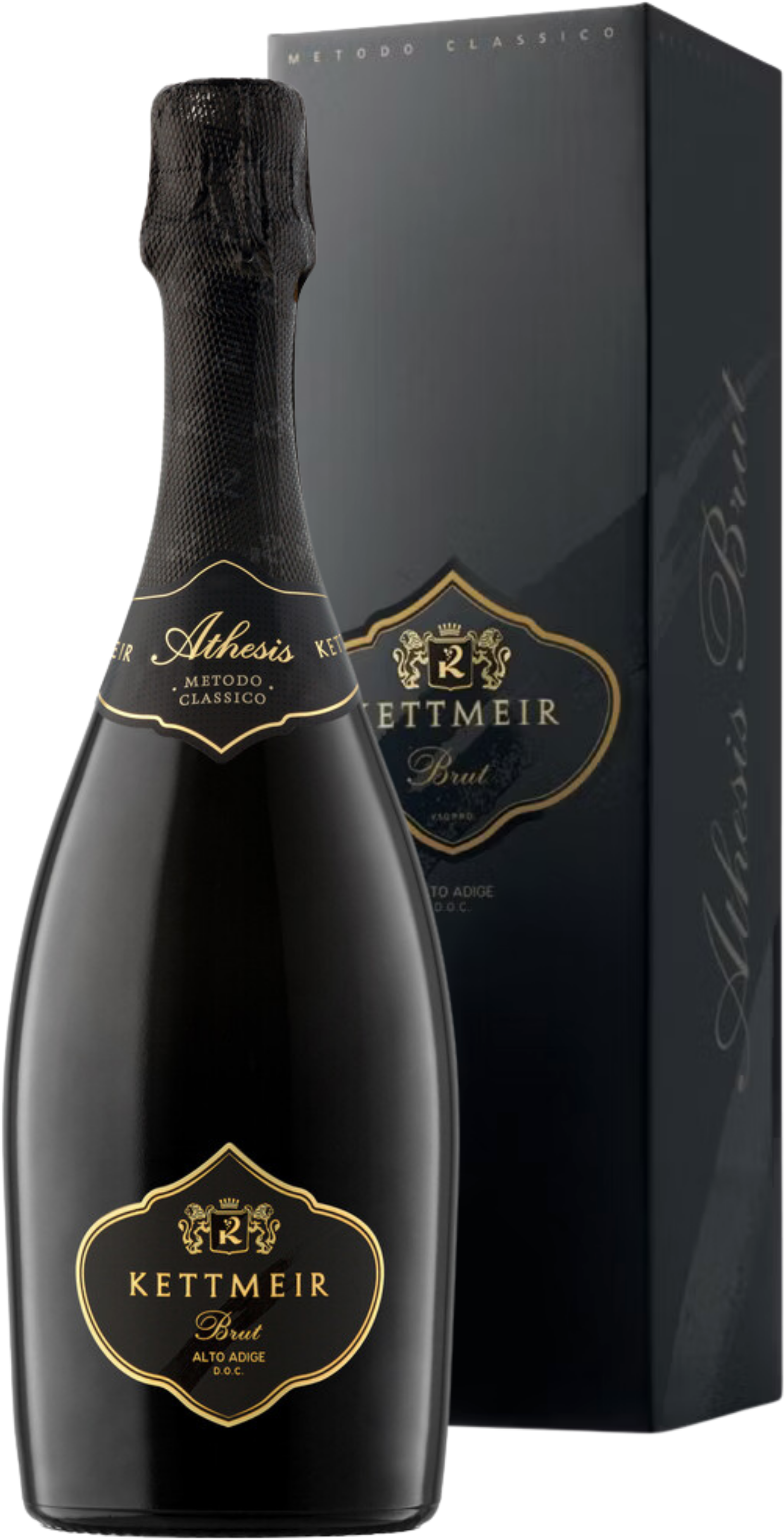
Classic Method Sparkling Brut 'Athesis' Kettmeir 2022 (Packaging)The Classic Method Sparkling Brut "Athesis" from the Kettmeir winery is a wonderful example of how splendid sparkling wines can be found in the shadow of the South Tyrolean Dolomites: Chardonnay, Pinot Bianco and Pinot Nero blend together to create a wine with vibrant elegance and profound smoothness. The vineyards, cultivated using pergola and espalier training systems, are located at an altitude of no more than 700 metres above sea level on calcareous-clayey soils where the Ora del Garda wind caresses the fruit in summer, helping it to reach perfect ripeness.The history of Kettmeir's "Athesis" Brut Classic Method Sparkling wine begins in mid-September, coinciding with the start of the harvest season. Once harvested, the Chardonnay, Pinot Bianco and Pinot Nero grapes are transferred to the cellar to be vinified separately, awaiting fermentation at around 14-16 °C. The wine is then refermented in the bottle and disgorged according to the principles of the Classic Method. Finally, the production process concludes with 24 months of ageing, spent entirely on the lees in the bottle.Kettmeir's Sparkling wine "Athesis" fills the glass with a bright straw yellow colour defined by fine, persistent bubbles. White fruits and notes of grapefruit and lime open the dance of the bouquet, where jasmine and the fragrance of bread crust close the gentle profile of this exciting South Tyrolean sparkling wine. Soft, creamy and with lively, cheerful bubbles, it is magnetically pleasant to drink, consistent with the aromas perceived by the nose, with citrus notes and great balance. The 'Athesis' sparkling wine brings with it the freshness that only the Dolomites can offer, making it an excellent companion for an aperitif, but it can also enhance light risottos or medium-intensity fish dishes. A Metodo Classico to be enjoyed down to the last bubble.29,00 £*Shipping: 48,00 £Secure redirect to the provider
-
Classic Method Brut Gruner Veltliner 'Amethyst' Schloss MaissauThe Brut Grüner Veltliner 'Ametyst' sparkling wine from the Austrian estate Schloss Maissau is a young and fragrant Classic Method wine, which mainly aims to highlight the fruity characteristics and the pleasant expressive immediacy of the most cultivated grape variety in the country. Thanks to careful vineyard management and rigorous and precise winemaking, Grüner Veltliner demonstrates remarkable oenological versatility and also excellent sparkling characteristics. It captivates with its citrusy sip, its floral notes, and white-fleshed fruit, crossed by a clear mineral freshness.The ‘Ametyst’ Classic Method Brut Grüner Veltliner is an excellence of the Schloss Maissau winery, located near the castle of Maissau in Manhartsberg, in one of the areas with the oldest traditions of Austrian viticulture, which already in the 12th century produced wine with the native grape variety Grüner Veltliner. The estate extends over 7 hectares, all managed according to the principles of organic farming, certified since 2017. The vineyards are about 50 years old and are cultivated at an altitude of 350 meters above sea level, with an east-facing exposure. The soils are composed of sandstones and sandy loess, rich in mineral elements. The climate is particularly cool with good temperature variations. After the gentle pressing of the grapes, the must ferments in temperature-controlled stainless steel tanks. The second fermentation takes place in the bottle according to the Classic Method, with a resting period on the lees for 12 months.The Classic Method Brut ‘Ametyst’ Grüner Veltliner Schloss Maissau is an interesting bottle, perfect to taste at aperitif time or to accompany delicate-flavored appetizers. With a lively bright straw yellow color, crossed by a lively, delicate, and continuous perlage, it expresses citrus notes of lime and grapefruit, fragrant aromas of white-fleshed fruit, Golden apple, peach, cantaloupe, floral nuances, and aromatic herbs. The attack on the palate is lively and intense with ripe fruit in the foreground, which unfolds harmoniously towards a savory finish and vibrant freshness.33,00 £*Shipping: 48,00 £Secure redirect to the provider
-
Ahead Classic Method Sparkling Extra Brut 'Dieci' BuvoliThe Spumante Metodo Classico Extra Brut 'Dieci' signed Buvoli - Opificio del Pinot Nero represents the quintessence of a Metodo Classico, a bubble of volume and structure that has benefited from a very long refinement of 10 years on yeasts. Spumante 'Dieci' reveals all the complexity and opulence of the Metodo Classico of Marco Buvoli, a winemaker dedicated to sparkling wine production on the hills of Vicenza, inspired by the great Pinot Noir-based Champagnes.The 'Dieci' Buvoli Spumante Metodo Classico Extra Brut is made from only Pinot Noir grapes grown according to the dictates of organic and biodynamic agriculture. Harvesting is carried out by hand in crates only when the berries have reached full ripeness, followed by gentle pressing and subsequent alcoholic fermentation of the must in temperature-controlled stainless steel tanks. The mass is then left to rest for a few months on the fine lees between French oak barriques and tonneaux and again in steel containers, with the sparkling wine base being the result of a combination of different vintages, part of which is aged using the perpetual reserve method. This is followed by fermentation in the bottle according to the Metodo Classico method, combined with a very long refinement of over 10 years on the lees. After disgorging, the sparkling wine is finally dosed as Extra Brut, with less than 4 g/l residual sugar.Buvoli's Metodo Classico 'Dieci' Spumante Extra Brut is a full golden yellow colour with a fine effervescence. The ample and articulated olfactory context expresses notes of cedar, mint and Mediterranean scrub along with sensations of exotic fruits reminiscent of mango and pineapple, all adorned with woody tones and hints of almond pastries. On the palate, it is decisive, full and very expressive, excellently supported by lively freshness in a fragrant and imposing finish with a very long persistence.66,00 £*Shipping: 48,00 £Secure redirect to the provider
-
How do I write a historical-critical method?
To write a historical-critical method, you should begin by conducting thorough research on the historical context of the subject matter. This involves examining primary sources, such as historical documents and artifacts, to understand the time period and cultural background. Next, analyze the text or topic in question, considering its historical context and the author's intentions. It's important to critically evaluate the text, taking into account any biases or limitations of the historical sources. Finally, present your findings and interpretations in a clear and well-supported manner, drawing on both historical evidence and critical analysis to support your arguments. **
-
What is the difference between the historical-critical method and historical-critical exegesis?
The historical-critical method is a broad approach to studying and interpreting religious texts, which involves analyzing the historical and cultural context in which the text was written, as well as examining the language, literary style, and authorship of the text. Historical-critical exegesis, on the other hand, is a specific application of the historical-critical method to the interpretation of biblical texts. It focuses on understanding the original meaning of the biblical texts by considering their historical and cultural context, as well as the intentions of the original authors. In essence, historical-critical exegesis is a more focused and specific application of the broader historical-critical method to the interpretation of religious texts. **
-
Does anyone know the historical-critical method of the Bible?
Yes, the historical-critical method of the Bible is a scholarly approach used to study and analyze the text of the Bible in its historical and cultural context. This method involves examining the language, authorship, dating, and historical background of the biblical texts to better understand their original meaning and significance. Scholars use various tools and techniques to analyze the Bible, such as textual criticism, source criticism, and literary analysis. The historical-critical method is widely used in academic biblical studies to gain insights into the development and interpretation of the biblical texts. **
-
What is the difference between the historical method and hermeneutics?
The historical method is a research approach that focuses on understanding the past through the critical examination and interpretation of historical sources. It involves analyzing primary sources, such as documents, artifacts, and other evidence, to reconstruct events and understand the context in which they occurred. On the other hand, hermeneutics is a method of interpretation that focuses on understanding and interpreting texts, particularly religious and philosophical texts. It involves analyzing the meaning and significance of the text within its cultural and historical context, as well as considering the perspectives and biases of the author and the reader. While the historical method is focused on reconstructing past events, hermeneutics is focused on interpreting and understanding the meaning of texts. **
Similar search terms for Method
-
What are the substitution method, the addition method, the substitution method, and the subtraction method?
The substitution method is a technique used to solve systems of equations by solving one equation for one variable and then substituting that expression into the other equation. The addition method, also known as the elimination method, involves adding or subtracting the equations in a system to eliminate one of the variables. The multiplication method is a technique used to solve systems of equations by multiplying one or both equations by a constant to create opposite coefficients for one of the variables. The subtraction method is similar to the addition method, but instead of adding the equations, one equation is subtracted from the other to eliminate one of the variables. **
-
What is a vintage retro app?
A vintage retro app is a mobile application that is designed to mimic the style and aesthetics of past eras, typically from the 1950s to the 1990s. These apps often feature nostalgic elements such as retro fonts, color schemes, and design elements to evoke a sense of nostalgia for a bygone era. Vintage retro apps are popular among users who appreciate retro aesthetics and want to incorporate them into their digital experiences. **
-
What are the strengths and weaknesses of the historical-critical method?
The historical-critical method is a valuable tool for understanding the historical context and authorial intent of biblical texts. Its strengths lie in its emphasis on rigorous analysis of the text's historical and cultural background, which can provide valuable insights into the meaning and significance of the text. However, its weaknesses include the potential for overlooking the theological and spiritual dimensions of the text, as well as the limitations of historical data and the potential for bias in interpretation. Additionally, the historical-critical method may not fully account for the role of faith and tradition in shaping the interpretation of biblical texts. **
-
What is the difference between nostalgic and historical?
Nostalgic refers to a sentimental longing or affection for the past, often focusing on personal memories or experiences. It is more subjective and emotional in nature, evoking feelings of fondness or wistfulness. On the other hand, historical pertains to events, people, or things from the past that are considered significant or noteworthy. It is more objective and factual, based on documented evidence and research. While nostalgia is personal and rooted in emotions, history is a broader study of the past that seeks to understand and interpret events in a more analytical and critical manner. **
* All prices are inclusive of VAT and, if applicable, plus shipping costs. The offer information is based on the details provided by the respective shop and is updated through automated processes. Real-time updates do not occur, so deviations can occur in individual cases. ** Note: Parts of this content were created by AI.